The 159-year-old Redwood Avenue at Benmore Botanic Garden has reportedly been saved through a conservation exercise to ward off its susceptibility to plant pathogens.
When the 49 giant redwoods (Sequioadendron giganteum) started showing signs of distress, curator Peter Baxter and colleagues at the Royal Botanic Garden Edinburgh (RBGE) agreed radical action was required.
As branches defoliated and the crowns of the trees started to thin, there was a real risk the trees of the 350m avenue, near Dunoon in Argyll, would succumb to diseases such as phytophthora.
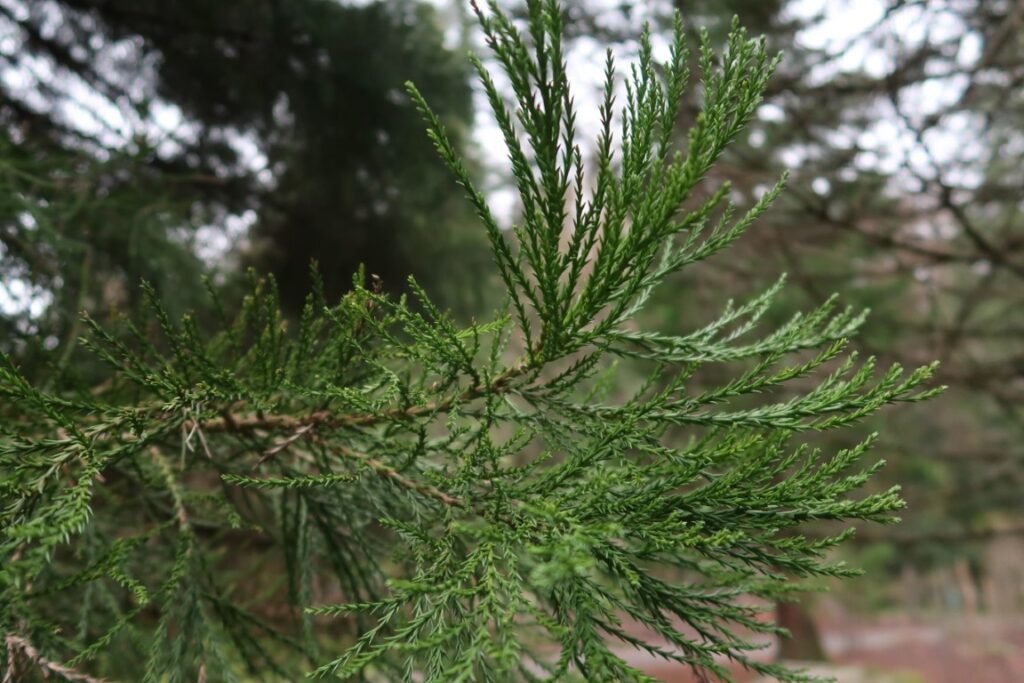

Soil compaction was thought to be central to the problem. Planted in 1863, the trees were among the first redwoods introduced to Europe from California and the Avenue was planted along the main driveway to Benmore house.
Only a very thin layer of topsoil was supporting the turf over the original hard-core road and this, combined with a typically wet west coast climate and limited drainage, caused serious waterlogging and puddling around the roots. This had created a favourable habitat for pathogens, and increased trees’ disease-susceptibility through stress.
RBGE’s director of horticulture Raoul Curtis-Machin said: “We are very open to sharing our learnings and experience with other gardens and landowners because we are all in this together now. Climate change and pest and disease threats are coming thick and fast and they don’t respect national borders, county lines or property fences.”
Read more about the trees on Benmore’s Sequoia Avenue Appeal