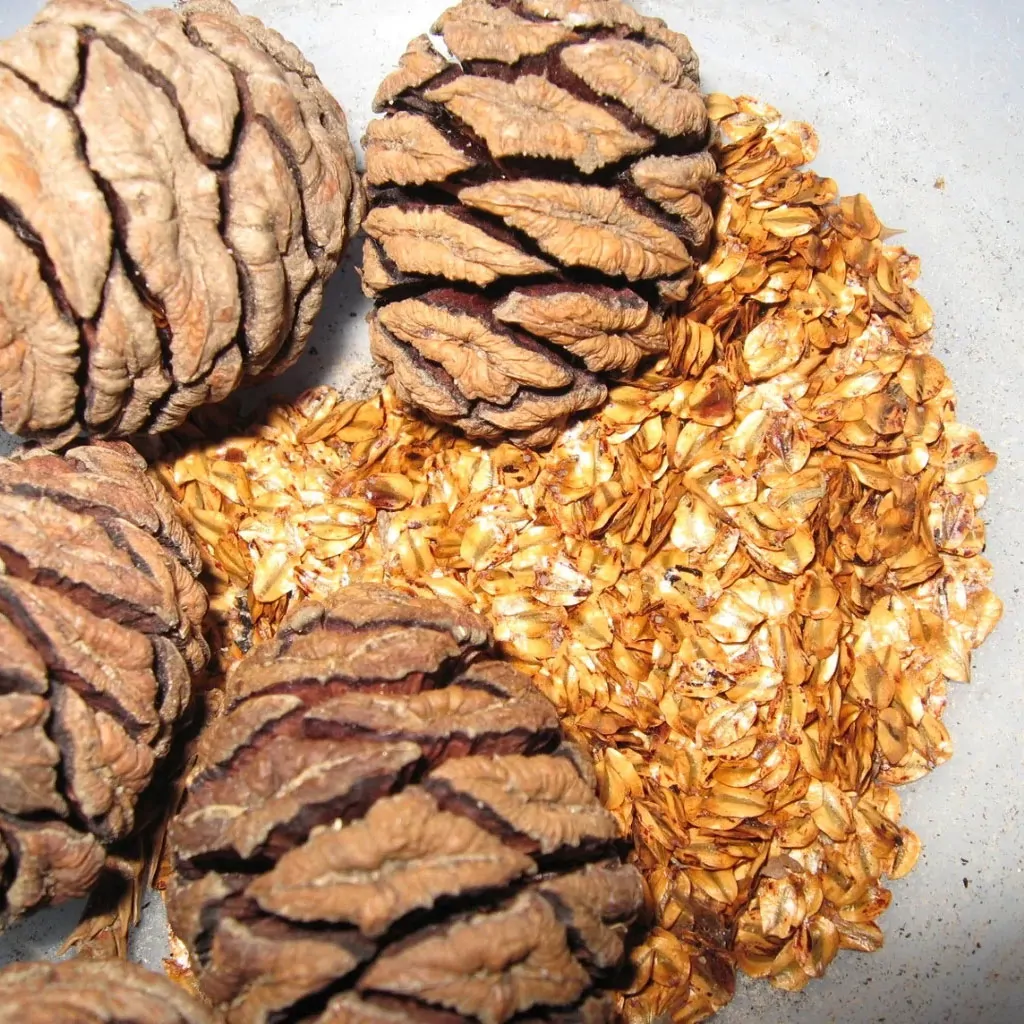
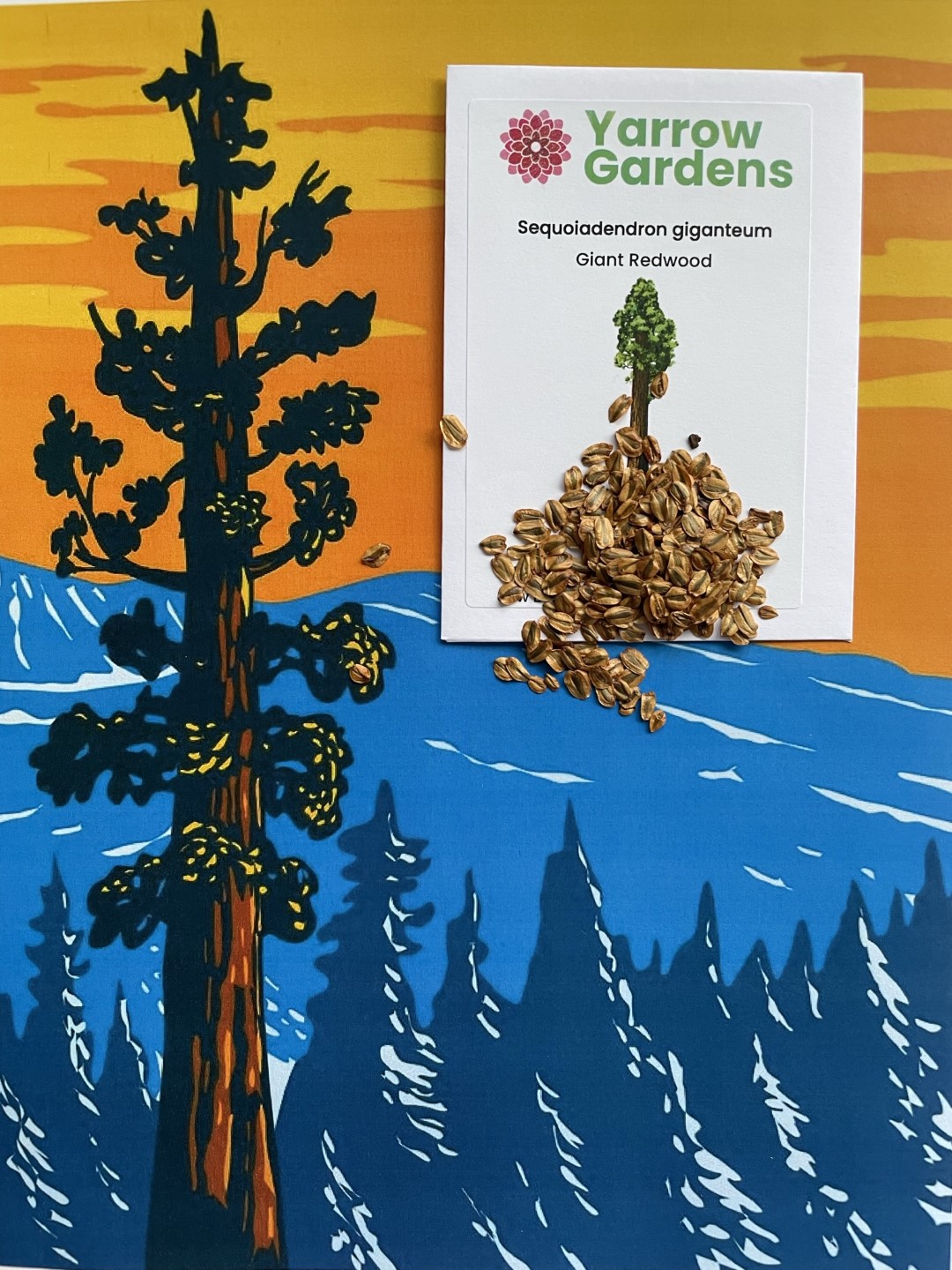
All Giant Redwood seeds require a simple stratification process to germinate. Don’t worry, it’s easy.
- Soak the Sequoiadendron giganteum seeds for 24 hours in warm water. (Not hot water).
- Possibly add some Superthrive – these are some plant vitamins and amino acids. It’s not required, however we like to give our Sequoiadendron giganteum seedlings the best start in life.
- Mix the seeds with some peat free compost or an inert medium like vermiculite.
- Add the seeds to a polythene bag or small tub that will fit nicely in your fridge. Loosely seal the bag – some air exchange needs to occur.
- Check the seeds every few days to confirm the seeds are still moist – keeping them moist during this time is vital.
- Next, chill the seeds for 6 weeks in the fridge. Don’t forget to set a reminder for yourself to remove them.
- Move the Sequoiadendron giganteum seeds to a warm windowsill or heated propagator. Keep the seeds moist during this time.
- Once the seeds start to germinate you should prick them out and pot them on as soon as possible.
Germination of Sequoiadendron giganteum can be erratic. For seeds that don’t germinate in about two months, move them back to the fridge and repeat the stratification process.
An alternative way to sow the seeds is to follow nature, simply so the Sequoiadendron giganteum seeds in a tray outside in a sheltered location after the last frost and let nature take it’s course.
Giant Redwood – Sequoiadendron giganteum Care Guide
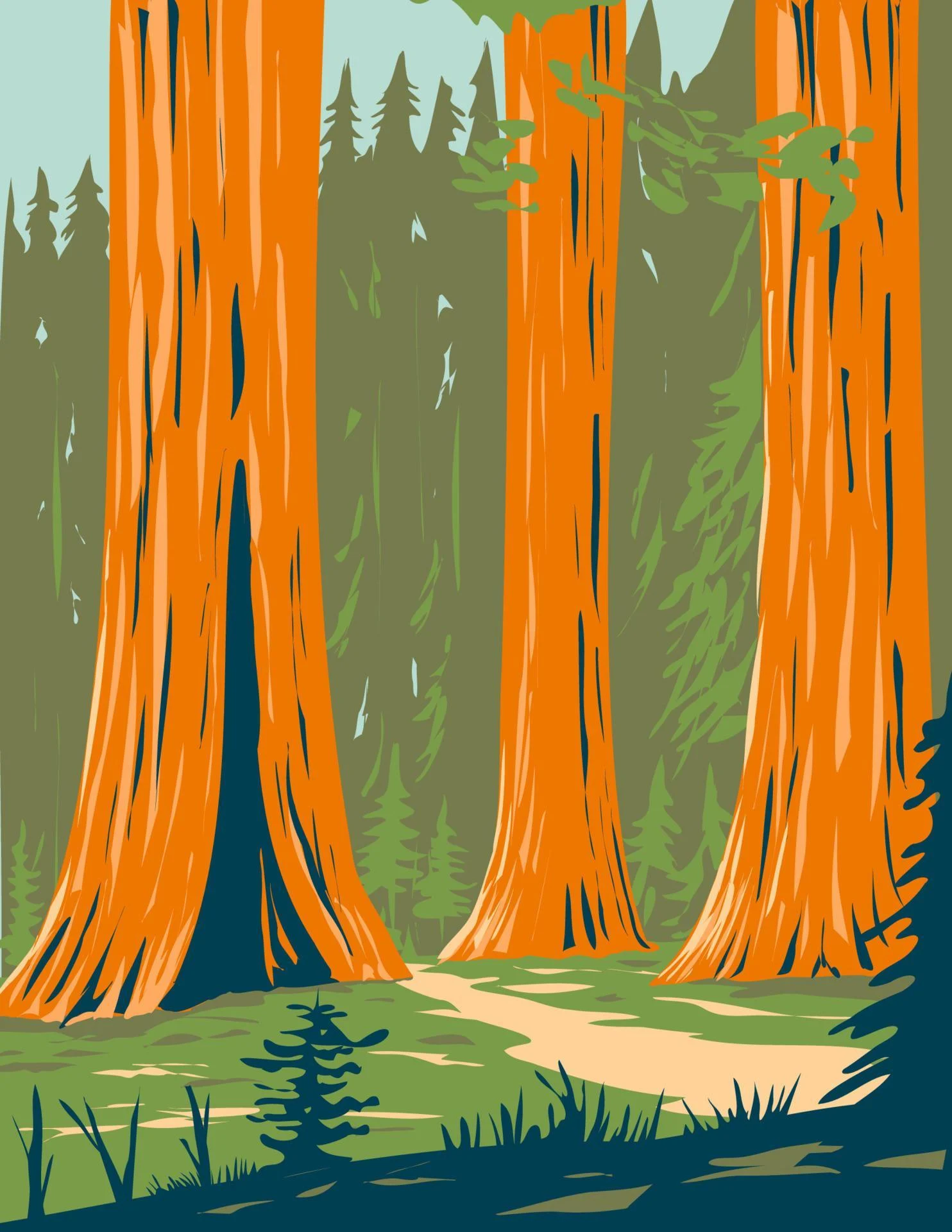
The Giant Redwood – Sequoiadendron giganteum, also known as the Wellingtonia here in the UK or Sierra Redwood in the USA, is among the most imposing of all conifers. While it won’t reach the monumental sizes seen in its native California, UK specimens can still grow to impressive heights of 30-40 metres or more. Distinguished by its massive trunk, soft, fibrous red-brown bark, and pyramidal shape, this evergreen giant creates an unforgettable presence in the landscape. Despite its enormous size, it’s surprisingly adaptable and has been successfully grown in UK gardens since Victorian times.
Soil Requirements
Giant Redwoods prefer well-draining, deep soils with a pH between 6.0 and 7.0. While adaptable to various soil types, they perform best in moisture-retentive, fertile soils with good organic content. The soil should be free-draining but capable of maintaining consistent moisture, as these trees require regular access to water despite being somewhat drought-tolerant once established.
Watering Guidelines
Newly planted trees need regular, deep watering to establish a strong root system during their first 2-3 years. Create a watering basin around the trunk and water deeply but infrequently to encourage deep root growth. Mature trees are more drought-tolerant but benefit from supplemental watering during extended dry periods. Container-grown specimens require more frequent watering and excellent drainage.
Seasonal Maintenance
Spring (March-May)
Apply a balanced, slow-release fertiliser if needed, particularly for younger specimens. Refresh the mulch layer, maintaining a depth of 7-10cm while keeping it away from the trunk. Check for winter damage and remove any dead or damaged branches.
Summer (June-August)
Monitor soil moisture levels, particularly during hot spells. While established trees are relatively drought-tolerant, consistent moisture promotes optimal growth. Minimal pruning is needed; focus on removing any dead, diseased, or crossing branches.
Autumn (September-November)
Reduce watering as temperatures cool and growth slows. Apply a fresh layer of mulch to protect roots through winter. Clear fallen debris from around the base to discourage pest habitation and disease.
Winter (December-February)
While generally hardy, young trees may benefit from protection against severe frost and cold winds. Avoid watering during freezing conditions. Check regularly for snow damage, particularly on younger specimens, as heavy snow can break branches.
Additional Care Notes
Giant Redwoods require significant space, not just for their height but also for their considerable spread at maturity. They create impressive vertical features and make excellent specimen trees in larger landscapes. While they can tolerate some pruning when young to maintain shape, they’re best left to develop their natural form.
These trees are generally resistant to pests and diseases, but regular monitoring helps identify any issues early. They prefer locations with full sun and shelter from strong winds, particularly when young. Consider their ultimate size carefully before planting, as they can dominate a landscape and potentially affect neighbouring properties.
Unlike their coastal cousin, Giant Redwoods have a better tolerance for drier conditions once established, though they still appreciate consistent moisture. Their impressive longevity means they can become heritage trees for future generations, making them an excellent choice for parks, large estates, and spacious private gardens where they have room to achieve their magnificent potential.



There are no reviews yet.