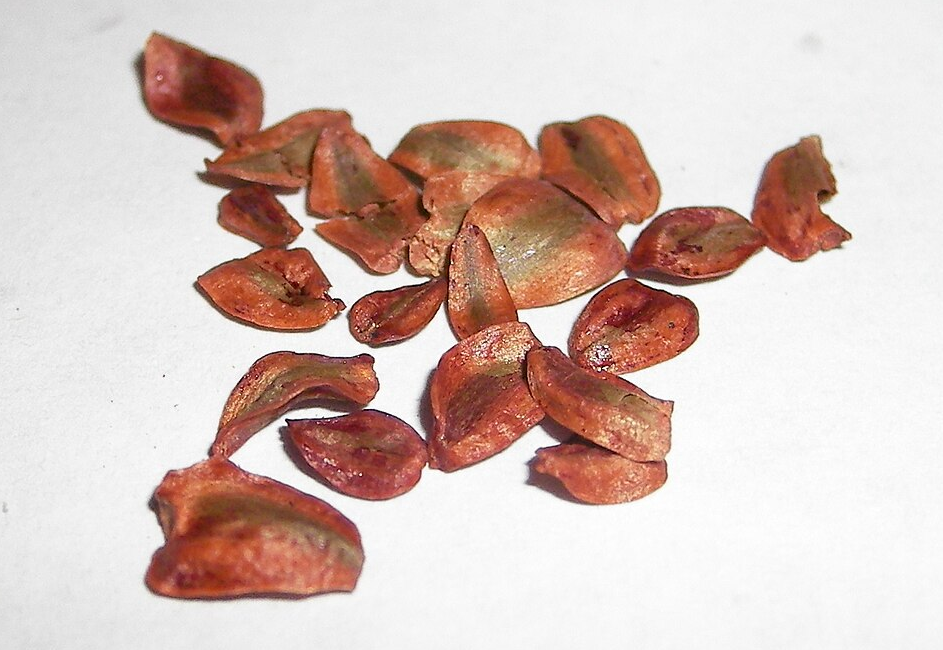
All Coast Redwood seeds require a simple stratification process to germinate. Don’t worry, it’s easy.
- Soak the Sequoia sempervirens seeds for 24 hours in warm water. (Not hot water).
- Possibly add some Superthrive – these are some plant vitamins and amino acids. It’s not required, however we like to give our Sequoia sempervirens seedlings the best start in life.
- Mix the seeds with some peat free compost or an inert medium like vermiculite.
- Add the seeds to a polythene bag or small tub that will fit nicely in your fridge. Loosely seal the bag – some air exchange needs to occur.
- Check every few days to confirm the seeds are still moist – keeping them moist during this time is vital.
- Chill the seeds for 4 weeks in the fridge. Don’t forget to set a reminder for yourself to remove them.
- Move the Sequoia sempervirens seeds to a warm windowsill or heated propagator. Keep the seeds moist during this time.
- Once the seeds start to germinate you should prick them out and pot them on as soon as possible.
Germination of Sequoia sempervirens can be erratic. For seeds that don’t germinate in about two months, move them back to the fridge and repeat the stratification process.
An alternative way to sow the seeds is to follow nature, simply so the Sequoia sempervirens seeds in a tray outside in a sheltered location after the last frost and let nature take it’s course.
Coast Redwood – Sequoia sempervirens Care Guide
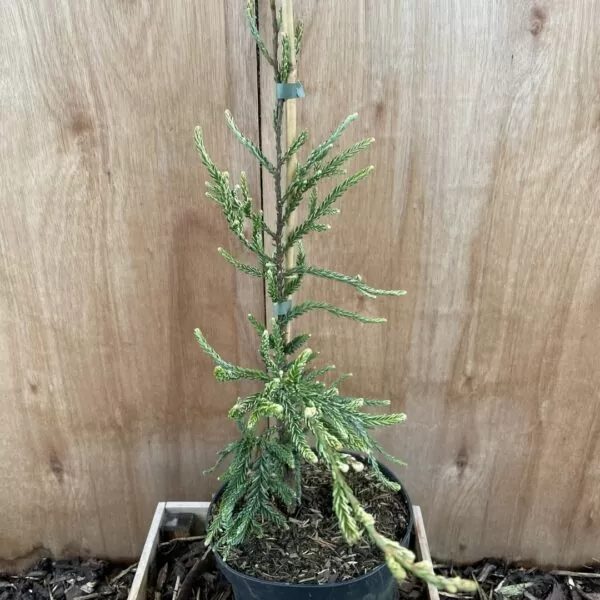
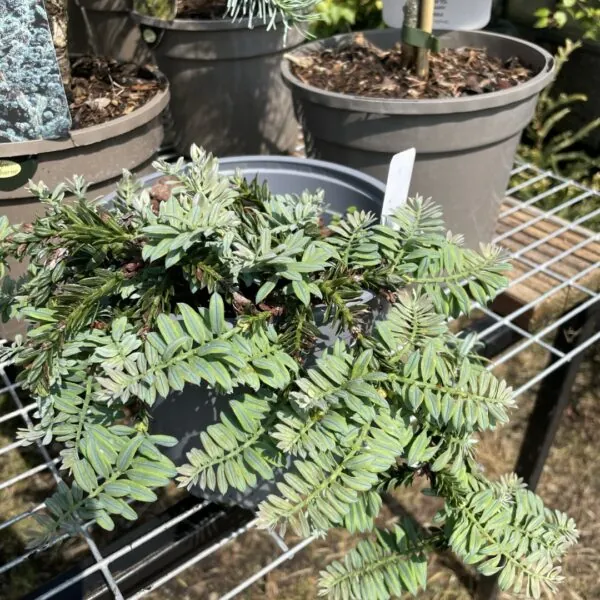
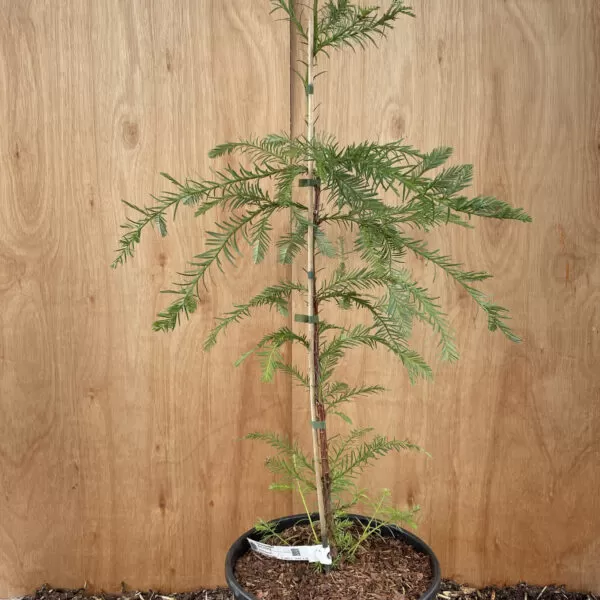
The Coast Redwood – Sequoia sempervirens is one of the world’s most magnificent trees, capable of reaching extraordinary heights in its native California. In UK gardens, while not achieving the same dramatic proportions, it still grows into an impressive specimen, typically reaching 20-35 metres. This evergreen conifer is characterised by its straight trunk, distinctive reddish-brown bark, and dense, dark green foliage that creates a stunning vertical accent in larger gardens. Despite its imposing stature, it’s surprisingly adaptable to UK conditions when given appropriate care.
Soil Requirements
Coast Redwoods thrive in well-draining, fertile soil with a pH between 5.5 and 7.0. While they prefer deep, loamy soils rich in organic matter, they can adapt to various soil types provided drainage is adequate. Regular addition of organic matter helps maintain soil quality and moisture retention, which is crucial for optimal growth.
Watering Guidelines
Young trees need consistent moisture during their establishment period, typically the first 2-3 years. Water deeply once weekly, adjusting for rainfall and temperature. While mature specimens develop some drought tolerance, they perform best with regular moisture, particularly during dry spells. Container-grown trees require more frequent watering, but always ensure pots have adequate drainage to prevent waterlogging.
Seasonal Maintenance
Spring (March-May)
Apply a balanced, slow-release fertiliser if needed, and refresh the organic mulch layer to a depth of 7-10cm, keeping it clear of the trunk. Check for any winter damage and monitor for early signs of pest activity.
Summer (June-August)
Maintain consistent soil moisture, especially during hot, dry periods. Minimal pruning is required, but remove any dead or damaged branches. Ensure the base remains clear of competing vegetation.
Autumn (September-November)
Gradually reduce watering as growth slows. Apply a fresh layer of mulch to protect roots through winter. This is a good time to assess the tree’s structure and plan any necessary maintenance.
Winter (December-February)
Young trees may need protection from severe frost and cold winds. Water only during dry spells when there’s no frost. Monitor for snow damage on branches, particularly in heavy snowfall areas.
Additional Care Notes
Coast Redwoods create their own microclimate as they mature, often collecting moisture from fog and mist through their foliage. They prefer locations with some shelter from strong winds, especially when young. While generally pest-resistant, regular monitoring helps catch any issues early.
These magnificent trees require careful placement due to their potential size. Consider their ultimate height and spread when planting, ensuring they have space to develop their natural form. While they can be pruned to control size to some extent, they’re best suited to larger gardens where they can achieve their natural grandeur. Their evergreen nature means they provide year-round interest and can serve as excellent screening trees or distinctive focal points in appropriate settings.